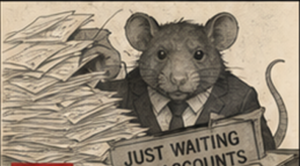
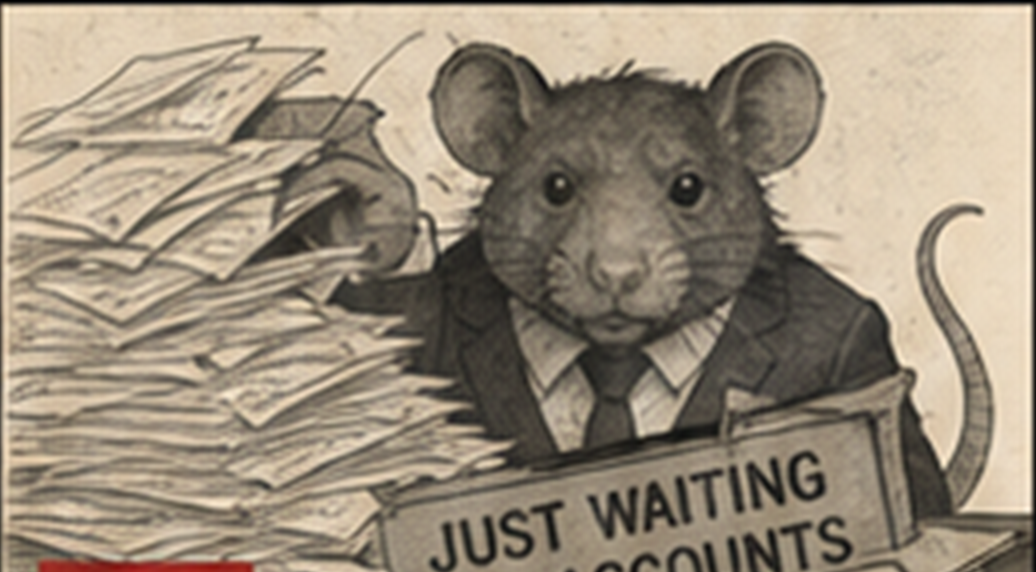
Late payment has developed its own language.
The invoice is being processed. The approver is away. The system has changed. Accounts are looking into it. Payment will be in the next run. Nobody can identify the run, but it sounds active and reassuring.
Curiously, very little of this language involves the word ‘pay’.
This is not an allegation about a named business. It is a familiar commercial pattern: work is delivered, an invoice is accepted and the supplier becomes an unwilling provider of interest-free finance.
A cash-flow problem with somebody else’s name on it
For a large organisation, one delayed invoice may be an administrative inconvenience. For a small business, it can mean payroll pressure, postponed investment, borrowing costs and hours spent chasing money already earned.
The excuse matters less than the record. When was the work completed? When was the invoice received? Was it disputed? What payment terms were agreed? What was promised during each chase? Did the promised date move again?
That timeline separates a genuine query from an endlessly travelling payment date.
Evidence required
Being irritating is not evidence. Being disliked is not evidence. A supplier saying it has not been paid is the beginning of a question, not the end of an investigation.
Invoices, contracts, delivery records and correspondence provide the useful material. The business concerned should be asked for its response. There may be a legitimate dispute. There may have been an error. There may also be a department whose principal function is explaining why Tuesday’s payment will now happen next Thursday.
Footprint is interested in what the documents show. If the invoice is still unpaid after the explanations have run out, that becomes worth recording.