A company can change its website overnight. A new photograph appears. A difficult sentence disappears. A business described as revolutionary on Monday can become reassuringly established by Friday.
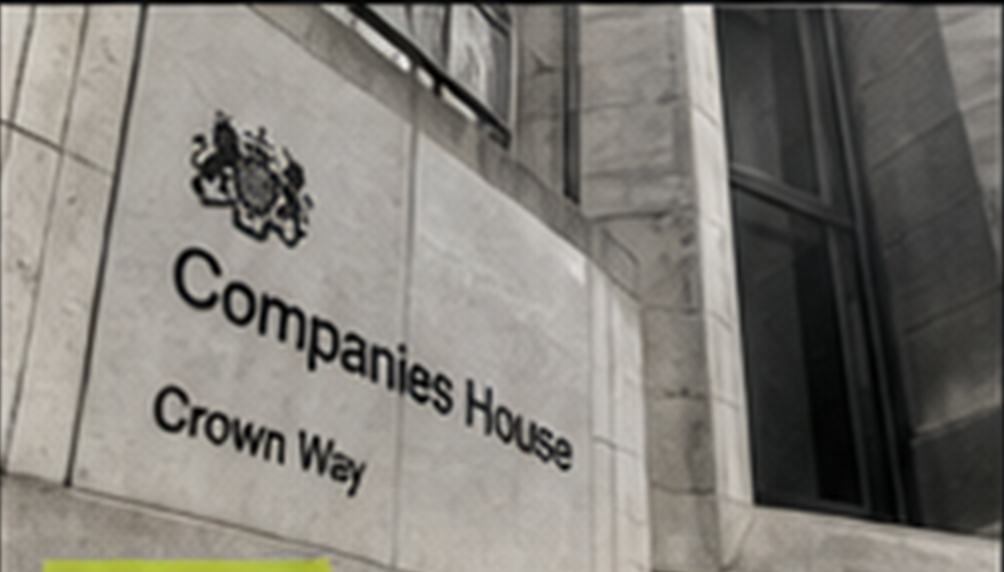
Companies House is less sentimental.
Appointments, resignations, accounts, confirmation statements, charges, changes of name and the occasional administrative surprise remain part of the public record. None of those facts necessarily proves wrongdoing. They do, however, provide a useful answer to a very ordinary question: does the story being told now agree with the story recorded then?
Start with the record
Footprint looks at the filing history before drawing conclusions. Who were the directors? When did they arrive? When did they leave? Did the company change its name? Were accounts filed? Did the dates line up with the public claims?
One filing may mean very little. A sequence can be more conversational.
Context matters. Records can be late, corrected or misunderstood. A directorship is not proof of responsibility for everything a company has ever done. An insolvency is not automatically evidence of misconduct. Facts first. Interpretation second. Sarcasm only after both have survived inspection.
The useful bit
The point is not to turn every filing into a scandal. Most are gloriously dull. The point is to preserve the trail, link to the source and notice when a confident public statement appears to have wandered away from the documented history.
That is what a Footprint File is for: a permanent page containing the timeline, the people, the companies, the documents, the response and the questions that remain unanswered.
Companies House does not hold every answer. It does have a longer memory than many brochures.